
Analysis of air tightness testing standards and regulations: key information you need to know
In modern industrial production and quality control, air tightness testing is an important step to ensure product performance and safety.Whether in automobile manufacturing, electronic equipment, medical equipment or construction, air tightness testing plays a vital role.The goal is to detect and repair potential leaks early in the production process, ensuring the reliability and safety of the final product.
As a leading brand in the field of air tightness testing, Hirays has been committed to providing customers with efficient and reliable testing solutions.However, although air tightness testing is widely used in various industries, many users do not know the relevant standards and regulations.This article aims to systematically introduce the main standards and regulations for air tightness testing and help users better understand and apply this important information.
This article will cover the following aspects: the definition and importance of air tightness testing, common international air tightness testing standards, regional regulations and their requirements, specific specifications in different fields, air tightness testing technology and equipment selection, common problems and solutions during the testing process, and future industry trends.By analyzing these contents in detail, we hope to provide comprehensive guidance to users and improve product quality and market competitiveness.
1. The definition and importance of air tightness testing
Air tightness testing, also generally called leakage testing, refers to testing products or components to ensure that they will not leak gas or liquid under certain pressure conditions.This testing is critical to maintaining product functionality, safety and longevity.For example, air tightness testing of automobile fuel tanks can prevent fuel leakage and ensure driving safety; air tightness testing of medical equipment ensures the maintenance of a sterile environment and ensures patient safety.
The importance of air tightness testing cannot be underestimated.It can effectively prevent performance degradation or safety accidents caused by leakage problems during product use.Air tightness testing can help companies discover and solve potential problems early in the quality management process, improving the overall quality and reliability of products.Air tightness testing can also meet the compliance requirements of the market and regulatory agencies, enhancing the company's reputation and market competitiveness.
2. Common international air tightness testing standards
There are many common international air tightness testing standards, which ensure the accuracy and consistency of test results.Common international standards organizations include ISO (International Organization for Standardization), ASTM (American Society for Testing and Materials) and DIN (German Institute for Standardization).Each organization has detailed specifications and standards covering various air tightness testing methods and requirements.
For example, ISO 20485:2018 is the international standard for non-destructive testing - gas leak detection methods.This standard specifies in detail the steps, equipment and methods for leak detection of products using detection gases such as helium and hydrogen.ASTM E1603-11 is a standard test method for air-tight machines, mainly used to evaluate the leakage rate of sealing systems.These standards provide a reliable basis for air tightness testing around the world, helping companies ensure the quality and safety of their products.
3. Regional regulations and requirements
In addition to international standards, each region also has its own air tightness testing regulations and requirements.These regulations are usually formulated based on local environment, market demand and industry characteristics, and impose specific air tightness requirements for products entering the regional market.For example, in the EU market, cars and related components need to comply with the air tightness standards of ECE R110 and R67. These standards ensure that safety accidents will not occur due to leakage while the vehicle is driving.
The U.S. EPA (Environmental Protection Agency) has also put forward strict requirements for the air tightness of certain products, especially in the automotive industry. EPA's emission standards require that the air tightness testing of cars and their components must reach a certain level to reduce harmful gas emissions.In the Asian market, regions represented by China also have their own regulations and standards, such as GB/T 15171-1994 Gas Leak Detection Method, etc.These regulations impose specific requirements on companies entering the local market to ensure that their products meet local air tightness standards.
4. Specific specifications for air tightness testing in different industries
Different fields have their own specific air tightness testing specifications.For example, the automotive industry relies heavily on air tightness testing to ensure leak-free components such as fuel systems, emissions systems, air bags and drivetrains.The medical device industry requires extremely strict air tightness testing to ensure that equipment remains sterile during use, such as heart valves, surgical sutures, etc.
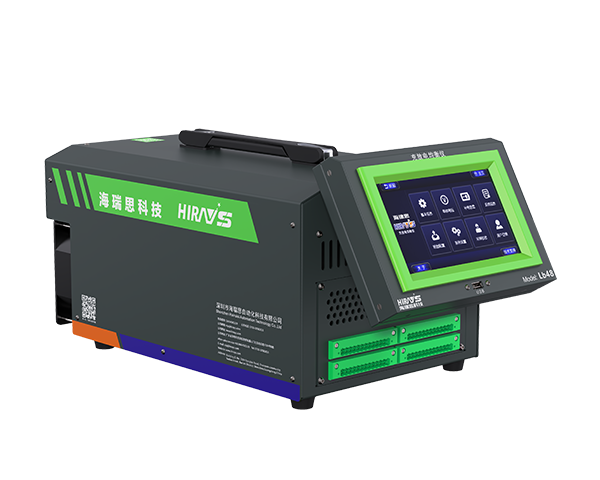
The construction industry also has specific requirements for air tightness testing, especially in terms of energy conservation and environmental protection. Air tightness testing of building envelopes is particularly important, which helps improve the energy efficiency of buildings, reduce heating and cooling energy consumption, and achieve the goal of energy conservation and emission reduction.In the electronic product manufacturing industry, especially waterproof electronic devices such as smartphones, watches, etc., air tightness testing can ensure the reliable performance of these devices under different environmental conditions.In the food packaging industry, through air tightness testing, the sealing performance of packaging bags and jars can be tested to ensure the shelf life and safety of food.
5. Air tightness testing technology and equipment selection
There are a variety of technologies and equipment to choose from for air tightness testing, including differential pressure method, bubble method, helium mass spectrometry and vacuum box method.Different detection technologies are suitable for different application scenarios and products.For example, helium mass spectrometry is a highly sensitive detection method commonly used in products that require extremely tight airtightness, such as in the aerospace and semiconductor industries.
Choosing the right testing equipment is key to ensuring effective air tightness testing.Users need to consider the following factors when selecting equipment: detection accuracy, scope of application of the equipment, ease of operation, maintenance costs, and the supplier's after-sales service capabilities.Hirays provides a variety of high-performance air tightness testing equipment to meet the needs of different industries and application scenarios, helping customers obtain reliable testing results in complex testing environments.
6. Common problems and solutions during the testing process
Various problems may be encountered during the air tightness testing process, such as environmental temperature changes affecting the testing results, equipment aging causing a decrease in testing accuracy, and errors caused by improper operation.Solving these problems requires comprehensive consideration of equipment calibration, control of testing conditions, and compliance with operating specifications.
Regular calibration of testing equipment is the basis for ensuring the accuracy of testing results.Control the temperature, humidity and other conditions of the testing environment to ensure stability during the testing process.It is also necessary to conduct systematic training for operators to ensure that they can perform tests in strict accordance with operating procedures and reduce the impact of human factors on test results.Hirays provides customers with all-round support, including not only high-quality equipment and technology, but also training and technical guidance to help customers solve various problems encountered during the testing process.
7. Future industry trends
With the continuous advancement of technology and changes in market demand, air tightness testing is also constantly developing.Future industry trends include the application of intelligent testing equipment, more stringent regulatory requirements, and the emergence of a variety of new materials and new processes.
Intelligent detection equipment realizes remote monitoring and data analysis of equipment through Internet of Things technology and cloud computing, improving detection efficiency and accuracy.Stricter regulatory requirements drive companies to continuously improve the air tightness testing standards of products to meet the needs of the market and regulatory agencies.The emergence of new materials and new processes, such as the application of 3D printing technology, also poses new challenges and opportunities for air tightness testing.Harisi will continue to be committed to technological innovation and service improvement to help customers cope with future industry changes.
in conclusion
Through the introduction of this article, I believe that readers have a more comprehensive understanding of air tightness testing standards and regulations.Whether it is selecting testing technology and equipment, following international standards and regional regulations, or specifying specific regulatory requirements in different fields and solving common problems in the testing process, this article provides detailed guidance and solutions.
Mastering and applying this key information can help companies improve product quality and market competitiveness, and ensure that products meet the various requirements of the market and regulatory agencies.Hirays will continue to provide customers with efficient and reliable air tightness testing solutions, promote the development of the industry and technological progress, and help customers achieve higher value and success.
-
2026.04.11Good News | Hirays Honored as "Most Investment-Worthy Enterprise" at 2026 AI Glasses China Tour
-
2026.04.11Why are more and more companies opting for RGA technology for power bank electrolyte leakage detection?
-
2026.03.30Commemorating the revolutionary martyrs and inheriting the red spirit | Record of hirays’s theme activity of walking to commemorate the martyrs’ cemetery
-
2026.03.20Starting from June, the sale of non-compliant power banks will be banned: many companies ignore this detection issue
-
2026.03.16After charging 70% in 5 minutes, how can the safety of the power battery be maintained?
-
2026.03.14Overcoming difficulties and showing responsibility, efficient delivery wins praise - a tribute to the four pioneer employees on the production front line
-
2026.03.03Comparison of mass spectrometry technology applications: How do Heris helium mass spectrometers and RGA series enable precision manufacturing?
-
2026.02.26Construction has started | hirays starts a new journey of struggle in 2026
-
2026.02.06Let’s work together to embark on a new journey | The 3rd hirays Fun Games was successfully held
